Tuesday, 5 October 2021

Oral Skills


#YourVoiceYourFuture: 

young people want more say in Europe

 
Record a short message with your ideas for Europe in the future: what you want, what you´d like to change, what you expect, what worries you most/least, what being European takes/means and the implications of European citizenship. We´ll collect all your ideas to "HAVE YOUR SAY".  This is the speaking task of this week.


EU Youth Strategy

The EU Youth Strategy is the framework for EU youth policy cooperation for 2019-2027, based on the Council Resolution of 26 November 2018. EU youth cooperation shall make the most of youth policy's potential. It fosters youth participation in democratic life; it also supports social and civic engagement and aims to ensure that all young people have the necessary resources to take part in society.

The EU Youth Strategy focuses on three core areas of action, around the three words: EngageConnectEmpower, while working on joined-up implementation across sectors. During a 2017-2018 dialogue process which involved young people from all over Europe, 11 European Youth Goals were developed. These goals identify cross-sectoral areas that affect young people’s lives and point out challenges. The EU Youth Strategy should contribute to realising this vision of young people.

Unit 10- Arts (Vocabulary)


Visual art

  • ceramics
  • drawing
  • painting
  • sculpture
  • printmaking
  • design
  • crafts
  • photography
  • video
  • film-making
  • architecture

Written art

  • literature
  • novels
  • drama
  • short story
  • biography / autobiography
  • poetry

performing art

  • dance
  • cinema
  • theater
  • ballet
  • concert
  • opera

Painting

  • portrait
  • brush stroke
  • canvas
  • landscape
  • still-life picture
  • palette
  • impressionism
  • expressionism
  • sketch
  • sitter

Places and events

  • museum
  • gallery
  • theater
  • cinema/ movies
  • exhibition

Collocations

  • the sets were incredible
  • colorful / elaborate / lavish / national / traditional / period / eighteenth-century / Victorian costumes
  • a good cast
  • give a fantastic performance
  • do a performance
  • get a rave review
  • an exhibition by Salvador Dali
  • to publish a book
  • cinema is showing Steven Spielberg's latest film

Friday, 1 October 2021

EBAU PRACTICE

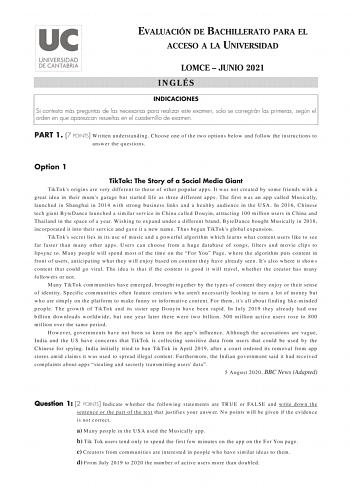
EVALUACIÓN DE BACHILLERATO PARA EL ACCESO A LA UNIVERSIDAD LOMCE  JUNIO 2021 INGLÉS INDICACIONES Si contesta más preguntas de las necesarias para realizar este examen solo se corregirán las primeras según el orden en que aparezcan resueltas en el cuadernillo de examen PART 1 7 POINTS Written understanding Choose one of the two options below and follow the instructions to answer the questions Option 1 TikTok The Story of a Social Media Giant TikToks origins are very different to those of other p…

Examen de Inglés de Cantabria (EBAU de 2021)

Comunidad AutónomaCantabria
AsignaturaInglés
ConvocatoriaOrdinaria de 2021
https://www.bbc.com/news/technology-53640724

Wednesday, 29 September 2021

Practice makes perfect


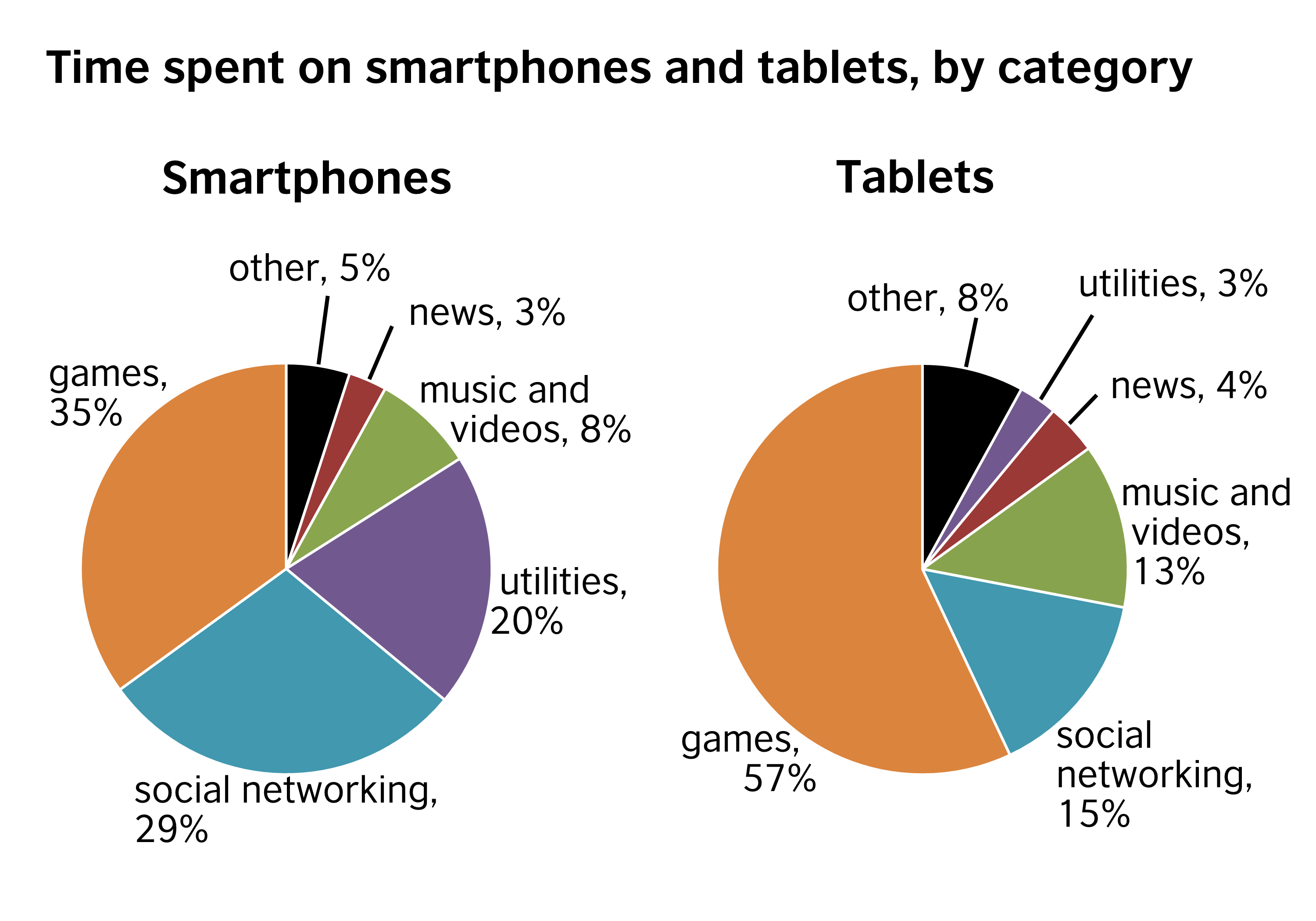
Overall, the two pie charts show that smartphones and tablets are used for the same purposes but to very different extents. 

The first pie chart shows how people spend their time on smartphones while the second pie chart illustrates how time is spent on tablets. For both types of device, the top use is for games, but the figures differ greatly. 57% of the time spent on a tablet is given to playing games, while only 35% of the time spent on a smartphone is used for this. In contrast, smartphone users spend 29% of their time on their gadget accessing social networking sites compared with just 15% of tablet time spent on the same activity.

The third most popular use of the tablet is for consuming entertainment, with users spending 13% of their tablet time watching videos and listening to music. Smartphone users, however, dedicate only 8% of their smartphone time to such entertainment, preferring instead to spend 20% of their time on their phone accessing utilities. These can include maps, weather information and calculators.

There is a clear difference in the way people are using their smartphones and tablets. In general, while tablets are being used more for gaming and other forms of entertainment, smartphones seem to be the preferred option for tasks as well as communication with the world around us.

Please note: This page was designed for writing practice only. Information in the charts may not be accurate.

Thursday, 23 September 2021

New challenges for everyone

 Convocada la X edición del concurso “Objetivo Europa”

The General Directorate in collaboration with the Innovation Department of the Education Board call for a new edition of the the video contest about the Europe that young people want. Cantabrian youngsters facing the future of Europe

La dirección general de Fondos Europeos, en colaboración con la dirección general de Innovación e Inspección Educativa, convoca la X edición del concurso “Objetivo Europa”
La Orden se ha publicado hoy 22 de septiembre en el Boletín Oficial de Cantabria

More info here

Tuesday, 21 September 2021

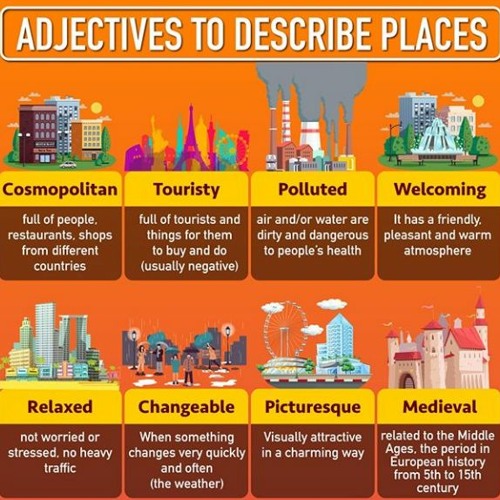
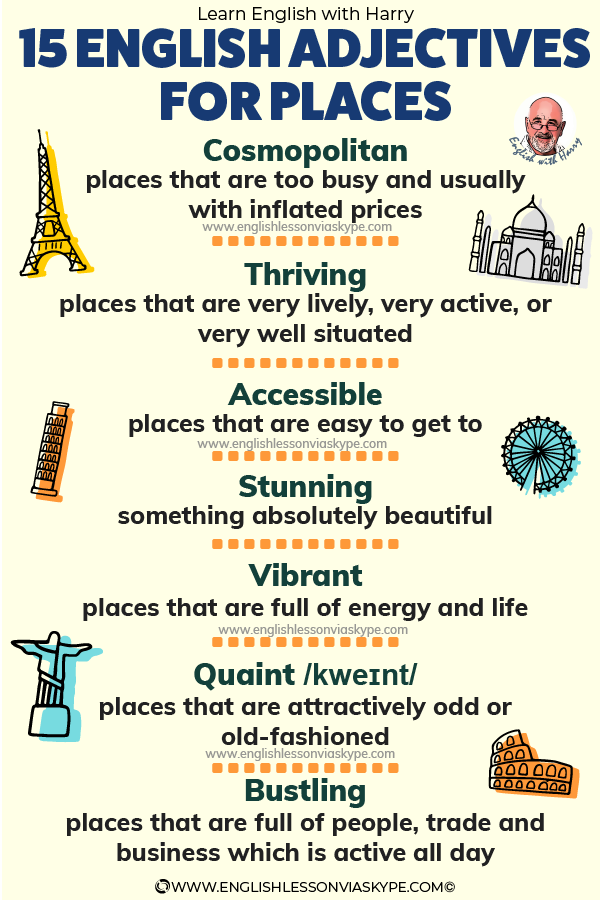
Writing: Describing places


Describing trends: Case Study COVID cases

 https://www.bbc.com/news/world-51235105

Covid-19 is continuing to spread around the world, with more than 228 million confirmed cases and almost 4.7 million deaths across almost 200 countries

Prepositions for graphs,trends and statistics 

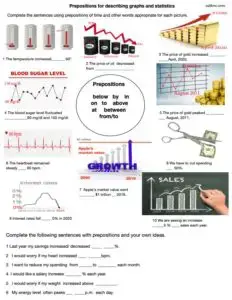
   I’ve always been familiar with prepositions for location, time and movement. But for years I have been teaching English for graphs and statistics to medical technology students. And I’ve noticed a recurring problem with prepositions when they try to use statistics to describe graphs and trends. So, finally I’ve done something about it.  

Prepositions for talking about graphs, trends and statistics

Prepositions for graphs and statistics (PDF)

Prepositions for graphs and statistics

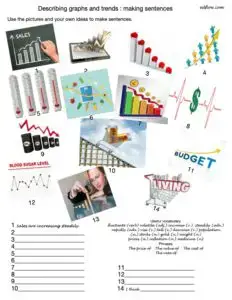
Describing  graphs and trends: making sentences  worksheet 

This is  a worksheet to help  English language learners write and talk about graphs and trends. Students try to write appropriate sentences for the pictures using the vocabulary at the bottom of the page.

Describing graphs writing exericise

Describing graphs sentence writing (PDF)

Describing graphs and trends