Showing posts with label vocabulary. Show all posts

Tuesday, 13 October 2026

Vocabulary. Word building

 The Logical Song by Supertramp

Complete the song using the correct form of the words given. 

When I was young, it seemed that life was so ______ WONDER, 

a miracle, oh, it was ______ BEAUTY, ______ MAGIC. 

And all the birds in the trees,                                                 

they'd be singing so ______ HAPPY, 

oh, ______ JOY, oh, ______ PLAY, watching me. 

But then they sent me away to teach me how to be _____ SENSE, ______ LOGIC, oh, ______ RESPONSE, ______ PRACTICE. 

And then they showed me a world  where I could be so ______ DEPEND, 

oh, ______ CLINIC, oh, ______ INTELLECT, ______ CYNIC. 

There are times when all the world's ______ SLEEP, the questions run too deep for such a simple man. 

Won't you please, please tell me what we've learned I know it sounds absurd, please tell me who I am. 

I said watch what you say, they'll be calling you a radical, a liberal, oh, ______ FANATIC, ______ CRIME. 

Oh, won't you sign up your name, we'd like to feel you're ______ ACCEPT, ______ RESPECT, oh, _______ PRESENT, a vegetable! 

Oh, take, take, take it, yeah! But at night, when all the world's ______SLEEP, the questions run so deep for such a simple man. 

Won't you please, please tell me what we've learned I know it sounds absurd please tell me who I am, who I am… who I am… who I am. 

Wednesday, 18 March 2026

VOCABULARY-U11-SIGHT


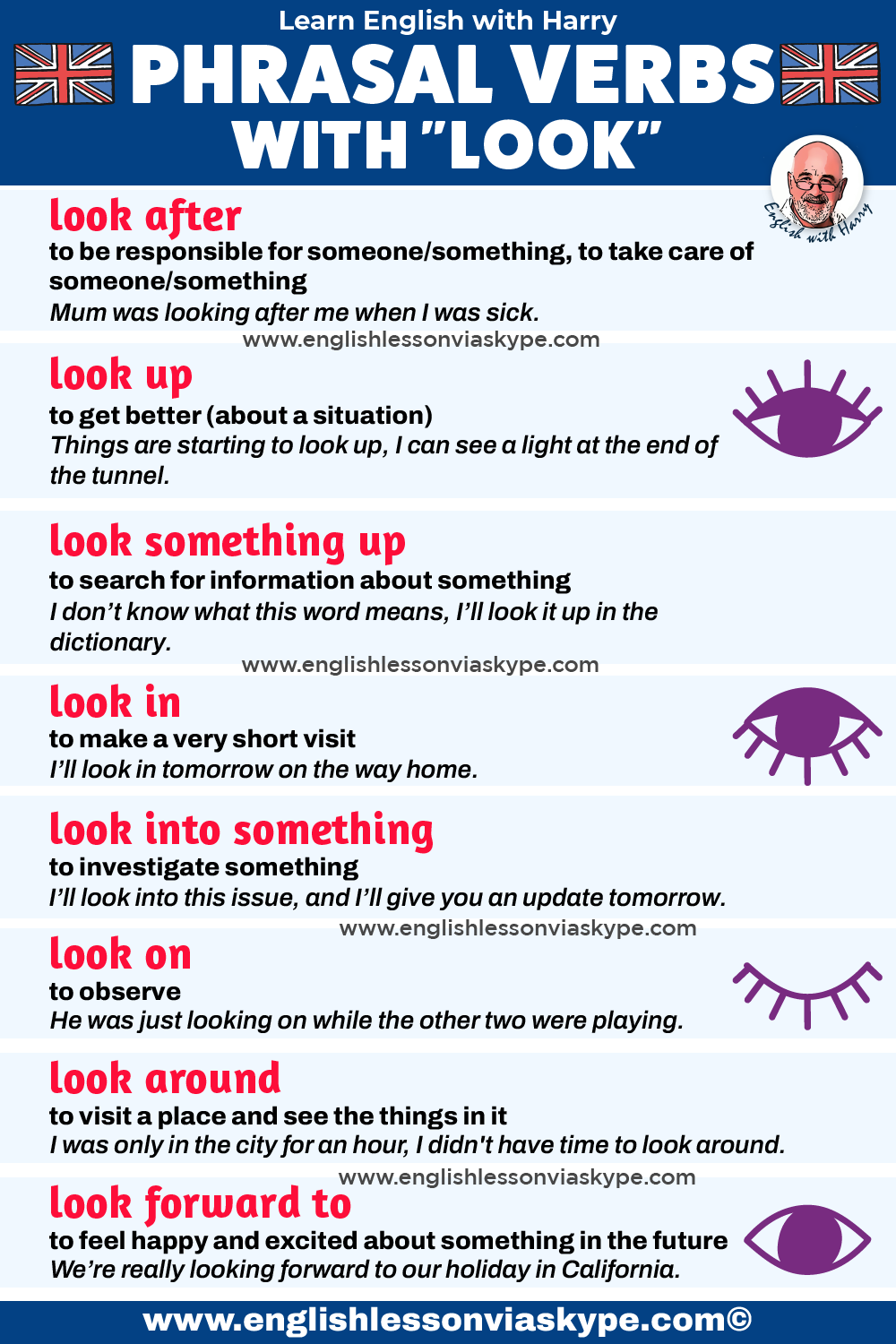
English vocabulary - WAYS OF LOOKING 

▪ look: give attention to what one is seeing; turn the eyes and see in a certain direction. Look at that cute baby!  

▪ see: use the power of sight. See! Here she comes! 

▪ watch: look at some activity or event; keep one's eyes fixed on something. The boys watched television all the afternoon. 

▪ gaze: look at something for a long time, in surprise or admiration. She gazed at him in disbelief when he told her the news.

▪ stare: look at something for a long time with the eyes wide open. She was staring into space. 

▪ gawk = gawp: stare impolitely. Many people gathered to gawp at the crashed car. 

▪ gape: look at something with one's mouth open. She gaped at him in surprise. 

▪ glance: have a quick look at something. She glanced at her watch. 

▪ scan: look quickly at something without careful reading. He scanned the newspaper over breakfast. 

▪ glare: stare angrily or fiercely. She didn't answer, but just glared silently at me. 

▪ glower: look very angry, annoyed or threatening. You don't need to glower at me like that; you know the rules! 

▪ peer: look very carefully, as if not able to see well. He peered at me over his spectacles. 

▪ peep: look quickly and cautiously. He was caught peeping through the keyhole. 

▪ observe: watch carefully. The police observed the man entering the bank. 

▪ glimpse: have a passing view of something or someone. Usually used in the expression to catch a glimpse of. He could catch a glimpse of the president among the crowd. 

▪ spot: recognize someone suddenly among many others. He was spotted by the police boarding a plane for Berlin. 

▪ behold: old use of the verb to see. Behold the king! 

▪ view: (technical) look thouroughly; regard, consider. That film hasn't been viewed by the censor yet. 

▪ sight: see for the first time. The men in the ship finally sighted land. 

▪ leer: look in an unpleasant way, suggesting ill will or lust. The man leered at the young girl. 

▪ blink: shut and open the eyes quickly. How long can you stare without blinking? 

▪ wink: close one eye briefly, as a signal to somebody. He winked at me to show that he was just joking. 

▪ frown: look in a worried or angry way, moving down the eyebrows together. He read the telegram, frowning at its contents. 

▪ scowl: frown angrily. She was very angry and scowled at him while she talked. 

▪ squint: look with eyes half shut or turned sideways, or through a narrow opening. She squinted through the letter-box and saw an envelope. 

▪ peek: look quickly and secretively. She found her brother peeking at her diary. 

▪ ogle: look or stare (at a woman) suggesting sexual interest. Most women hate being ogled at. 

▪ goggle: look with the eyes wide open in surprise or shock. (old-fashioned) People were goggling at her as if she were from another planet. 

▪ eyeball: look directly or closely. Francis eyeballed a beautiful woman at the party. 

▪ take a gander at something: (informal) look at something.

▪ cast an eye on/over something: look at something, examine something. 

▪ browse: look through the pages of a book or magazine; look at the goods in a shop without really wanting to buy anything. Sheila spent all the afternoon browsing the boutiques. 

▪ scrutinize: examine thoroughly and carefully. John scrutinized the painting at the museum. 


https://ielts-up.com/listening/ielts-listening-sample-8.3.html

Listening: SECTION 3. QUESTIONS 21-30. You will hear a discussion about shopping habits.

Questions 21-24

Complete the sentences below. Write NO MORE THAN THREE WORDS
AND/OR A NUMBER
 for each answer.

21. The woman being interviewed is now working in the bank. Her occupation is  .

22. The woman usually spends about  when she goes shopping.

23. The woman often goes to  because she finds them convenient.

24. According to the woman,  is/are her most difficult thing(s) to buy.

Fill in the blanks with ONE WORD AND/OR A NUMBER for each answer.

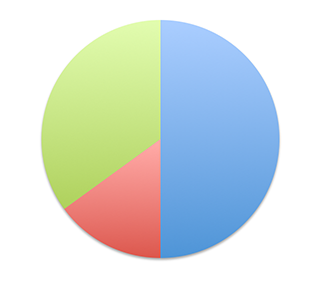
50% of the people being interviewed spend
25.  a month.

15% of the people being interviewed spend
26.  a month.

35% of the people being interviewed spend
27.  a mo


Questions 28-30

Mark THREE letter that represent the correct answer.

Most of the people being interviewed think that _________ is/are most difficult to buy.

 A Books

 В Study materials

 С Foods

 D Trousers

 E Shoes

 F Sportswear

Thursday, 11 January 2024

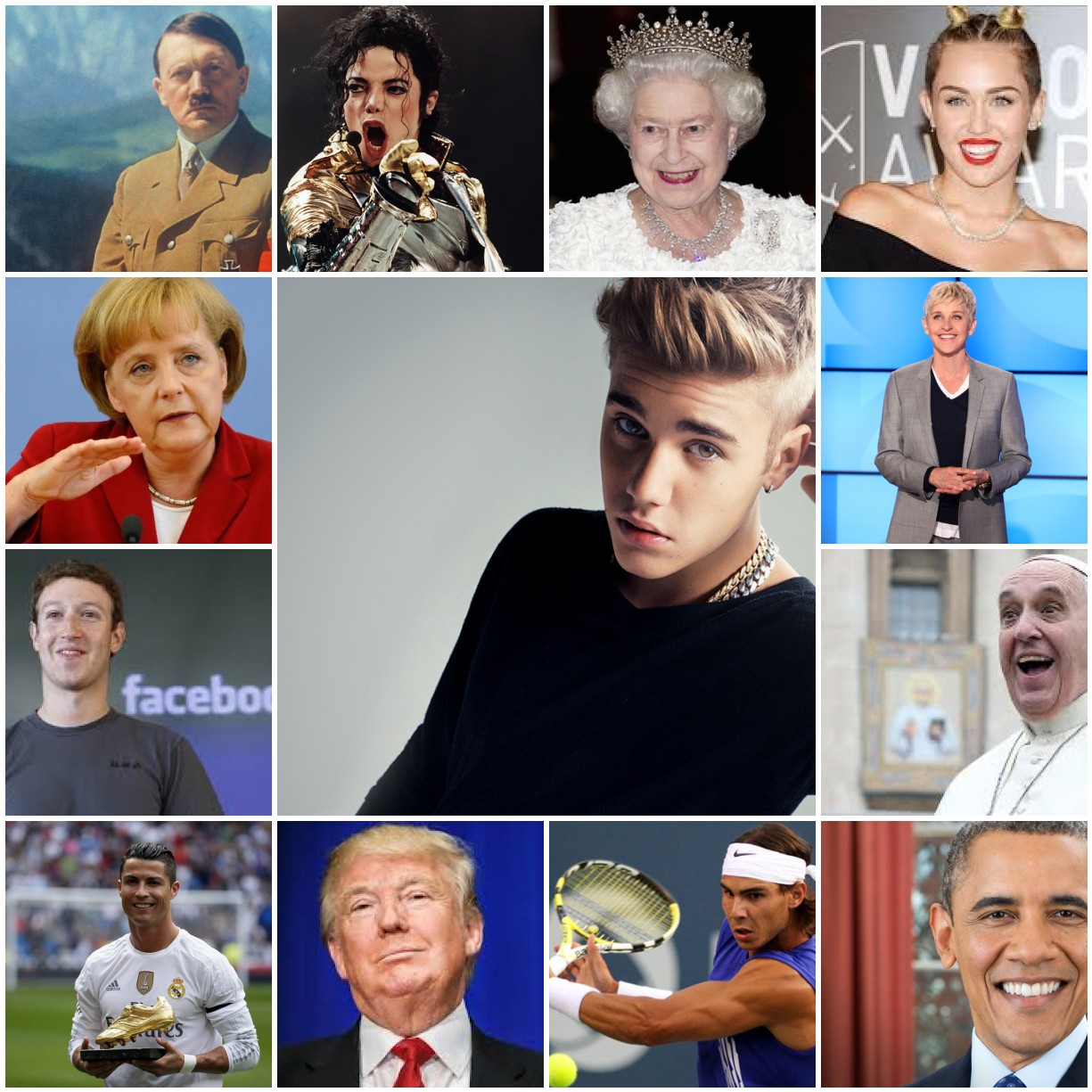
DESCRIBING PEOPLE- COLOURFUL CHARACTERS. U3


https://quizlet.com/2993017/flashcards?funnelUUID=4a6edc3b-c4e4-44f7-9c82-72f42a13e8e6

Descriptions are read aloud and students will need to determine the identity of the person being described.

Alanis Morissette – Hand in my pocket

Practise adjectives, specifically adjectives that describe people with this song, Hand in my pocket, by Alanis Morissette

The lyrics of this song contain the following 28 adjectives that can describe people: broke, happy, poor, kind, short, healthy, high, grounded, sane, overwhelmed, lost, hopeful, drunk, sober, young, underpaid, tired, restless, free, focused, green, wise, hard, friendly, sad, brave, sick, & pretty. The song also includes the following more generic adjectives: fine, high, gone, wrong & alright

https://www.youtube.com/watch?v=CUjIY_XxF1g

YouTube player

Wednesday, 24 November 2021

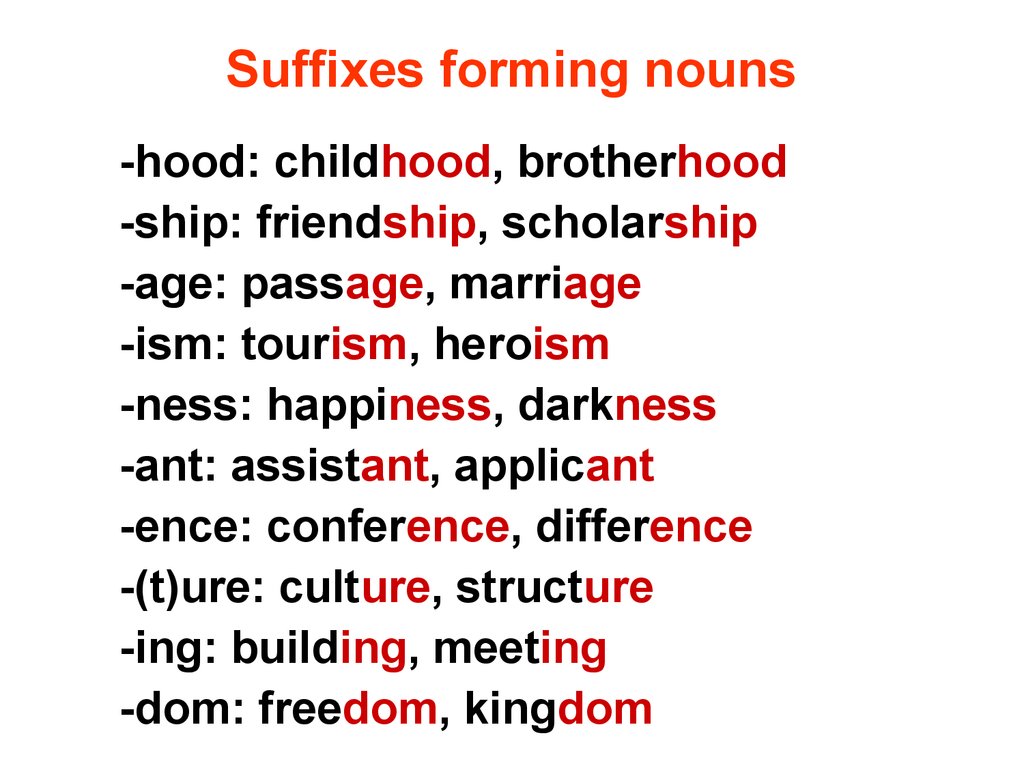
Vocabulary parctice. Suffixes. Revision of grammar and culture


http://start.iloveenglishschool.com.ua/english/advanced/a_lesson_022_people/part2/advanced%20grammar%20suffixes%20body%20L%2022.html

https://www.liveworksheets.com/ku1073225ps

https://www.liveworksheets.com/yb786388de

https://es.slideshare.net/challengeeducation/noun-suffixes

https://www.slideshare.net/LynLenMercado/structure-of-englishaffixes1


Conditionals review: Kahoot conditionals

Worksheets -exercises


Zero conditional - worksheet

First conditional - worksheet
First conditional - pdf exercises
Worksheet - first conditional
First conditional - download

Second conditional - worksheet
Conditional sentences - second
Second conditional - download
Worksheet - second conditional

Third conditionals - pdf exercises
The third conditional - pdf
Third conditional - pdf handout
Third conditional - pdf exercises

Zero / first / second / third
Conditional worksheet -> answers
Mixed conditionals - worksheet
Printables / worksheets
Conditional sentences - exercises
Conditionals - pdf exercises
If / unless - worksheet
If clauses - advanced 1
If clauses - advanced 2
If Clauses - all types 3
If Clauses - all types 4
If Clauses - all types 5
If Clauses - all types 7
If Clauses - all types 8
If clauses - worksheet
Worksheets pdf - print
If clauses - finish the sentences
Grammar worksheets - handouts
Conditional sentences - grammar


Thanksgiving poll & quiz: https://app.sli.do/event/wykrlguu  Event code: 454768

https://wall.sli.do/event/wykrlguu?section=e9bdc905-4c25-4dd2-a5a8-c65ccdf9b2e2


Tuesday, 5 October 2021

Unit 10- Arts (Vocabulary)


Visual art

  • ceramics
  • drawing
  • painting
  • sculpture
  • printmaking
  • design
  • crafts
  • photography
  • video
  • film-making
  • architecture

Written art

  • literature
  • novels
  • drama
  • short story
  • biography / autobiography
  • poetry

performing art

  • dance
  • cinema
  • theater
  • ballet
  • concert
  • opera

Painting

  • portrait
  • brush stroke
  • canvas
  • landscape
  • still-life picture
  • palette
  • impressionism
  • expressionism
  • sketch
  • sitter

Places and events

  • museum
  • gallery
  • theater
  • cinema/ movies
  • exhibition

Collocations

  • the sets were incredible
  • colorful / elaborate / lavish / national / traditional / period / eighteenth-century / Victorian costumes
  • a good cast
  • give a fantastic performance
  • do a performance
  • get a rave review
  • an exhibition by Salvador Dali
  • to publish a book
  • cinema is showing Steven Spielberg's latest film

Sunday, 15 November 2020

Word building (THE LOGICAL SONG)

 Add a word that is derived from the one between brackets.

1. You can rely on Jane. She is very………………… (depend)
2. That rule is not ………….. …in this case (apply)
3. Don’t tell anyone. This is …………… (confide)
4. Librarians spend a lot of time …… their books (class)
5. Despite his …….…………Stevie Wonder managed to become a top pop singer. (able)
6. In wartime there is often a …….. ….…of food. (short)
7. See Mr Baker. This matter is his ………………… (response).
8. The company got more than 20 ……………….. (complain)
9. What ….. ………………do you need for this job? (qualify)
10. It is ……………. to take credit for other people’s ideas. (moral)
11. The price is £5, excluding ……………… and packing. (post)
12. I spent my ………………. in the country. (child)
13. People who smoke ……………….. their children to do likewise. (courage)


KEY

1. dependable
2. applicable
3. confidential
4. classifying
5. disability
6. shortage
7. responsibility
8. complaints
9. qualifications
10. immoral
11. postage
12. childhood
13. encourage

THE LOGICAL SONG-SUPERTRAMP

Taken from Supertramps’s 1979 album Breakfast In America, this is one of their best known hits. The song is about a man who is taken away from the unspoilt immediacy of childhood, undergoes education and sees a future prepared for him lacking any spontaneity of reaction. He feels constricted in his freedom of speech, is put under pressure to conform and ends up confused, without a coherent self-image. 

La letra es una «historia de inocencia e idealismo perdido»​ en la que Hodgson condena a un sistema educativo no basado en el conocimiento y la sensibilidad.​

La canción cuenta la historia de un hombre que:

  • Se siente lejos de una niñez pre-adánica, inocente y feliz:
    • «When I was young, it seemed that life was so wonderful, a miracle, oh it was beautiful, magical».
    • (Cuando era joven, parecía que la vida era tan maravillosa, un milagro, ¡oh, era bella, mágica!).
  • Fue sometido a una estricta educación:
    • «But then they sent me away to teach me how to be sensible, logical, responsible, practical».
    • (Pero entonces me mandaron lejos para enseñarme a ser sensato, lógico, responsable, práctico).
  • Ve un futuro preparado para él sin ninguna reacción espontánea:
    • «And they showed me a world where I could be so dependable, clinical, intellectual, cynical».
    • (Y me enseñaron un mundo donde podía ser tan confiable, frío, intelectual, cínico).
  • Se siente coartado en su libertad de expresión:
    • «Now watch what you say or they'll be calling you a radical, liberal, fanatical, criminal».
    • (Ahora mira bien lo que dices, o te llamarán radical, liberal, fanático, criminal).
  • Es presionado para conformarse:
    • «Won't you sign up your name, we'd like to feel you're acceptable, respectable, presentable... a vegetable!»
    • (¿No firmarás con tu nombre?, nos gustaría pensar que eres aceptable, respetable, presentable..., ¡un vegetal!).
  • Y termina confundido, sin una imagen coherente de sí mismo:
    • «Please tell me who I am, who I am, who I am!»
    • (Por favor dime quién soy, quién soy, quién soy!).


https://twitter.com/bbcpress/status/876133103441334272?s=08

Karmarama - Cbeebies – 'Everyone’s Welcome'

The Art of Inclusion 
Essential Question - Why is inclusion of cultures important?
Lesson Plan  |  PowerPoint

Check the image gallery and match the pictures with the quites which describes them best:

https://www.embracingourdifferences.org/gallery/2020-gallery/

  1. There is splendor in individuality and strength in diversity.
  2. True inclusion is when everyone is not only invited to the table, but encouraged to contribute to the meal.
  3. The same hand that holds a gun and starts war, can hold a pencil and start peace.
  4. If you are given the choice of "being cool" or "being kind," choose kind.
  5. If you stand by, then who will stand up?
  6. A difference isn't a challenge; it's an opportunity.
  7. I dream of a world where all people treat each other with respect and dignity regardless of their differences.
  8. Destroying someone else's sparkle doesn't make you shine brighter.
  9. The American Dream: Don't speak about me when all you know is my name and not my story.
  10. If I tell you my story, will you walk with me and not run?
  11. When children cry, they don't care about the color of the hand that reaches out; they just want one to hold.
  12. Become an encouraging voice in someone's hopeless silence.
  13. Let's work together to change the "except" into "accept."
  14. We can undo many things, but our words are not one of them.
  15. A nation is only as strong as its people; a people divided is a nation conquered.

Tuesday, 7 April 2020

Esater

Some interesting facts and vocabulary:


Wednesday, 1 April 2020

April Fools Day-Culture

April Fool's Day

April Fool's DayApril Fool’s Day, sometimes called All Fool's Day, is on the first of April every year. People can play practical jokes. That's why you shouldn't believe what is said to you and you should be doubtful of the people around you on this day. Someone might change the time on another person's alarm to make him wake up very early or very late. Or she / he may put a lot of pepper in another's food. Of course all this is done just for fun. when the trick is played people say "April Fool" to make the poor person realize that it was just a joke.
Some of the well known and most successful pranks or practical jokes were on the media - television, radio stations, newspapers... For instance, a BBC television program ran a famous hoax in 1957, showing Italians harvesting spaghetti from trees. A large number of people contacted the BBC wanting to know how to cultivate spaghetti trees. In 2008, the BBC again reported on a newly discovered colony of flying penguins showing people walking with the penguins in Antarctica, and following their flight to the Amazon rainforest.

Choose the right words:

  1. April Fools' Day is a day to  jokes on people.
  2. This is the day when you try to make your friends believe something that isn't true and if they believe it you're supposed to say April  .
  3. April Fools' Day is  in many countries around the world. In Poland, for example, the tradition is to get people wet by pouring water on them.
  4. A  joke is a playful  that usually puts the receiver in an embarrassing position.
  5. Another word for practical joke is 
  6. He is  enough to believe anything you tell him.
  7. A  is an attempt to trick a person into believing that something false is real
  8. A  is someone who performs pranks on people.
  9. He is very funny. He always  jokes
April Fool's Day - Reading
April Fool's Day vocabulary lesson